
The gaming landscape has seen a plethora of sequels that aim to build on the success of their predecessors, and “Chicken Road” and “Chicken Road 2” are prime examples of this phenomenon. Both games revolve around the whimsical journey of a chicken navigating various obstacles and challenges, but they differ significantly in gameplay mechanics, graphics, storylines, and user engagement. This report aims to dissect these differences in detail.
Firstly, the gameplay mechanics in “Chicken Road” are relatively straightforward. Players control a chicken that must cross a busy road while avoiding cars and other hazards. The primary objective is to reach the other side safely, with increasing levels of difficulty as the player progresses. The controls are simple, primarily relying on tapping or swiping to maneuver the chicken, making it accessible to players of all ages.
In contrast, “Chicken Road 2” introduces more complex gameplay elements. The sequel retains the core concept of crossing the road but expands the environment to include various terrains such as rivers, forests, and urban settings. Players encounter new obstacles, including moving platforms and environmental hazards like falling branches. Additionally, “Chicken Road 2” incorporates power-ups and collectibles that enhance gameplay, allowing players to unlock new abilities or customize their chicken character. This added layer of complexity caters to a broader audience, including those seeking a more challenging experience.
Graphically, “Chicken Road” features a simplistic, cartoonish art style that appeals to younger audiences. The colors are bright and inviting, creating an engaging atmosphere. However, the graphics can be perceived as basic, lacking the depth and detail that some players may desire.
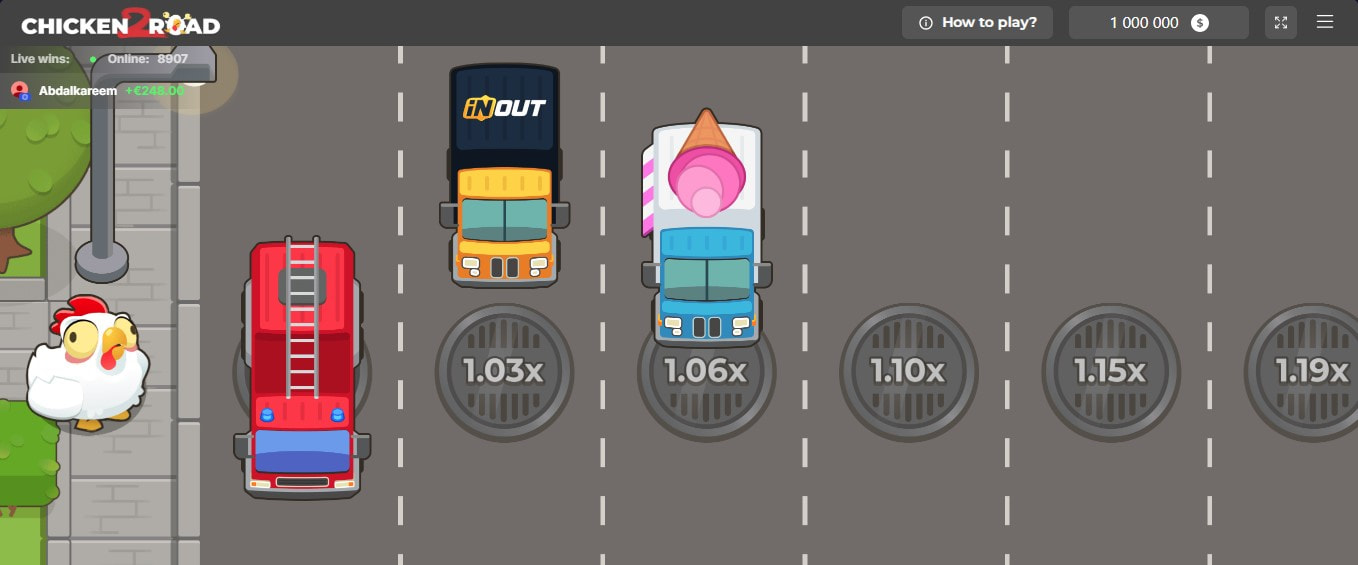
On the other hand, “Chicken Road 2” showcases significant improvements in visual design. The sequel boasts enhanced graphics with more detailed environments, smoother animations, and a more dynamic color palette. The art style remains cartoonish, but the upgraded visuals provide a more immersive experience, making it visually appealing to both younger and older players. The backgrounds are more varied and richly designed, contributing to the overall aesthetic and gameplay experience.
Storyline-wise, “Chicken Road” has a minimal narrative, serving primarily as a backdrop for the gameplay. Players are simply tasked with helping the chicken cross the road, with little context or character development.
Conversely, “Chicken Road 2” offers a more fleshed-out storyline. The sequel introduces a quest for the chicken, providing motivation for the player’s journey. Players encounter various characters along the way, each contributing to the narrative and offering side quests that enrich the overall experience. This depth in storytelling not only enhances player engagement but also encourages exploration of the game’s world.
Lastly, user engagement and community features differ between the two games. “Chicken Road” has basic social sharing options, allowing players to share their scores on social media. However, “Chicken Road 2” expands on this by incorporating multiplayer modes and leaderboards, fostering a competitive environment. Players can challenge friends or compete against others globally, adding a layer of social interaction that enhances replayability.
In conclusion, while “Chicken Road” and “Chicken Road 2” share a common premise, they diverge significantly in gameplay mechanics, graphics, storyline, and user engagement. The sequel not only improves upon the foundation laid by its predecessor but also introduces new elements that cater to a wider audience, making it a more robust and engaging experience overall.
