
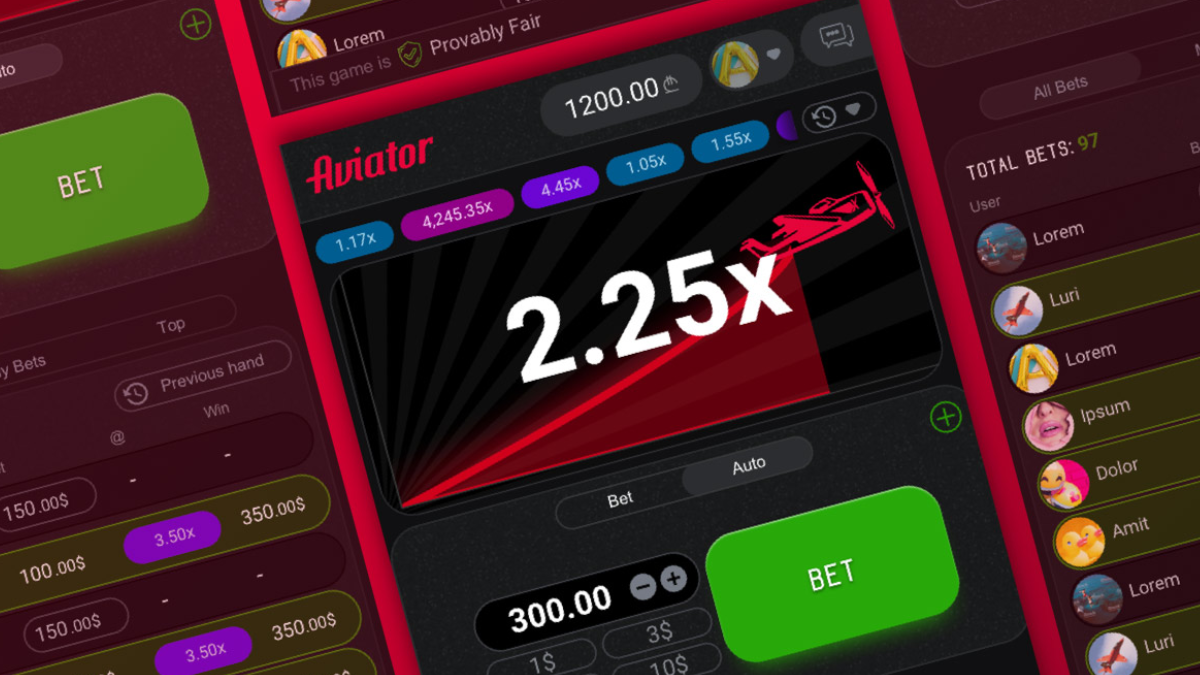
I’ve been observing the tabletop game world in Canada for a while, and the mix of “Chess Competition Wait” and aviator Games really caught me. It suggests a thoughtful tabletop game designed for chess fans who seek a new, engaging challenge that moves past the standard chessboard.
Target Audience: The Canadian Strategy Gamer
This game isn’t aimed at the party crowd. It’s for the Canadian strategy gamer: adults who love Eurogames, war games, or classic chess. These players cherish quiet calculation, a clear path to victory, and games where skill plays a role much more than luck. This group is careful about what they play and it’s growing.
It also suits social groups seeking engaging time away from screens. With so much digital noise, a thoughtful board game provides a real way to connect. For university clubs, game cafes in Toronto or Vancouver, and home collections, this product fills a specific spot for serious fun.
Where to Find and Experience in Canada
Canadian fans should primarily look at local hobby stores in large cities like Montreal, Calgary, or Ottawa. Specialty board game stores are your best chance for early copies. Also, check online Canadian shops like Board Game Bliss or 401 Games for pre-orders and stock announcements.
Community matters. Look for local board game meetups or cafes where you can test it first. Getting involved with these groups gives you a genuine look at how the game plays and if it stays interesting. For a strategy title, observing it played is the best review.
Core Gameplay Mechanics and Tactical Depth
Everything hinges on the mechanics. The system likely rewards long-term planning, but with sufficient variables to stop it from feeling predictable. Players likely handle resources or positions, making sacrifices that remind you of chess. Interaction between players is likely direct and has genuine consequences.
Unlike pure abstract games, the theme here presumably shapes your choices. This provides a story layer to the deep thinking. The real test is if the rules generate those satisfying moments of clever play that chess competitors adore. For me, that’s where the game will prove itself.
Unraveling the “Chess Competition Wait” Trend
“Chess Competition Wait” is not a term you encounter every day in gaming. I think it refers to that jittery time before a major match. It’s the thick suspense and mental preparation where strategy is everything. Aviator Games appears to be aiming right at that sensation, creating a board game that transforms that pre-competition excitement into its main gameplay.
This game is not for light fun. It’s for people who enjoy weighing risks and planning several moves ahead. The branding smartly taps into the reflective attraction of chess while offering a new set of rules. It presents the game as the optimal pursuit for strategic minds during their breaks between big contests.
Aviator Games: Strategic Design Meets Accessible Play
Aviator Games arrives in the Canadian market with a clear goal: deep strategy that doesn’t overwhelm you. Their board game likely mixes tactical resource handling with player-versus-player interaction. They’re aiming for a design that offers substance but can be completed in one sitting.
The game pieces and rules must let players jump in quickly. For Canadian players, who expect quality and clear instructions, this is crucial. The components need to endure through many games, with clear symbols so you aren’t always flipping through the rulebook. Mastering this balance is how you turn curious chess players into loyal fans.
Final Verdict and Outlook
Examining the strategic angle and who it’s for, I’m feeling optimistic. If Aviator Games delivers on the “Chess Competition Wait” hint, they may produce a solid hit. The game must view players as intelligent, offering a fresh and engaging system that remains strong over many plays.
It might turn into a hot topic in Canadian gaming groups. Success will ride on word-of-mouth from those core strategy players. If the mechanics are sharp and the components well-made, it stands a good chance at becoming a favorite for gamers who want a serious, but approachable, challenge.
Contrasting Traditional Chess against Modern Board Games
Chess involves no hidden information and no luck. Modern strategy board games, like what Aviator Games probably offers, often add some secrets or managed randomness. This doesn’t lessen the need for skill; it demands adaptability. The comparison doesn’t concern which is better, but about different kinds of mental workout.
While chess mastery needs memorizing openings, modern games often stress tactical reactions during play. Here, the “competition wait” is brief; you’re thrown into tough decisions right away. This game can work as an exciting partner to chess, stretching the same mental muscles in a fresh, themed setting.
Common Questions
What is the meaning of “Chess Competition Wait” in this game?
It targets the mindset of strategic tension ahead of a big match. Aviator Games is trying to convey that tense, thoughtful waiting period for a board game. It’s for players who like deep planning and measured risks, just as in competitive chess.
Is this Aviator Games board game suitable for beginners?
If well designed, it ought to be accessible to beginners keen on strategy. Depth is present, but a clear rulebook and user-friendly design are very helpful. Experience with chess or other strategy games is a plus, but motivated newcomers can manage it.
How much time does a typical game session take?
Many strategy games of this type are designed for 60 to 90 minutes. That is enough time for strategies to unfold without eating up your whole day. It works well into a focused game night, sitting between shorter games and marathon campaigns.
What are the purchase options for this game in Canada?
Visit specialized local board game stores in major cities or dependable Canadian online retailers. Because of how it’s distributed, big general stores may not stock it early. Purchasing from local hobby shops is usually the fastest way to locate niche strategy games.
Does this game take the place of chess?
Not at all. It functions as a strong alternative or addition. It employs similar strategic thinking but with different mechanics and a concept. Consider it as another exercise for your tactical brain, giving a new experience instead of replacing the classic.